MU ORIGIN 3
- 4.1
- Rating
- 5.00M
- Installs
- Free
- Price

 Analysis by App-foxy
I approached MU ORIGIN 3 as a decision rather than a quick download: does this role-playing game suit the way you actually like to play, or is its large fantasy presentation likely to become more work than fun? After spending time with it, my answer is fairly clear. It is a better match for players who enjoy building a character over time, checking several progression paths, and returning regularly to a persistent fantasy world. It is less convincing for anyone looking for a compact adventure that can be finished in short, self-contained sessions.
The game comes from FingerFun Limited and is free to install, although optional purchases range from $0.29 to $99.99 per item. That price range matters because the first decision is not simply whether the download costs anything. It is whether you are comfortable treating the game as a long-term hobby where spending can become part of the surrounding experience. I would not install it casually on a device used by a child, either: its content rating is Teen, and the game is aimed at an older audience.
What to consider before choosing it
My first test for a game like this is the commitment it asks from the player. MU ORIGIN 3 sits firmly in the role-playing category, so the appeal is not just a single battle or a short story chapter. The attraction comes from developing a character, learning how the world works, and gradually deciding which improvements deserve attention. If that loop sounds satisfying, the broad fantasy setting gives you plenty to keep exploring. If you prefer a game that explains everything once and then lets you play without menus, comparisons, or long-term planning, this may feel busy.
You May Also Like

 Blood Strike: 2.5 Anniversary
Blood Strike’s Loadouts Turn Every Drop Into a Tactical Gamble
A close look at Blood Strike’s custom loadouts: how fast access to signature weapons reshapes its battle royale rhythm, rewards preparation, and narrows the gap between fights.

 Pandora - Music & Podcasts
Pandora’s Music Is Easy to Start, but Harder to Recover
Pandora’s strength is its low-effort path from a seed to a station. Its weak spot is how much confidence it asks you to place in connection, setup, and quiet recovery.

 8 Ball Pool
 Is Built on Rivalries, Rematches, and Routine
A close look at the rivalries, rematches, shared routines, and unanswered safety questions that turn a quick pool match into a persistent mobile community.

 Samsung Music
’s Quiet Strength Is Playing What You Already Own
Its reach comes less from spectacle than from dependable access to a personal library. That simplicity is both the app’s strongest retention engine and its ceiling.

 AccuWeather: Weather Radar
AccuWeather Review: A Quick, Clear Forecast for Everyday Decisions
For everyday plans, the best forecast is the one you can understand quickly. AccuWeather makes rain timing, radar, and local conditions easy to act on, with a few trade-offs.

 Hill Climb Racing
Why Hill Climb Racing Still Turns Crashes Into One More Run
A tiny car, a bumpy hill and one more upgrade: Hill Climb Racing keeps resurfacing because its simple chaos makes every near-miss feel personal.
More From Our News Desk



The second question is how much freedom you want in your routine. A large online-style role-playing game can be enjoyable when you have a few minutes to check progress, but it can also create a sense that there is always another task waiting. I found the best way to approach it was to choose a small goal before opening the game: advance one part of the character, clear a particular activity, or inspect new equipment. That habit prevents the experience from turning into aimless tapping through screens.
There is also a hardware question. The game supports devices running Android 6.0 or later, which makes its compatibility reasonably broad in software terms. Compatibility alone does not guarantee a comfortable experience, though. A newer phone or tablet is the safer choice if you want smoother play, especially when the screen becomes crowded with effects or interface elements. On an older device, I would try it before committing to long sessions and keep an eye on heat, battery use, and available storage.
Its current version is 13.0.0, so I approached it as an actively maintained product rather than an abandoned release. That is useful for a game built around ongoing progression, but it also means the experience can change over time. Menus, priorities, or the balance between activities may feel different after updates. I recommend taking a few minutes after a major update to review the interface instead of assuming that every familiar button still works exactly as before.
The progression loop rewards deliberate play
The strongest reason to choose this game is the feeling of having a character that gradually becomes your project. I enjoyed comparing improvements instead of treating every reward as an automatic upgrade. A practical approach is to pause before spending resources and ask whether the change helps the style you are actually using. A smaller improvement that supports your preferred approach can be more useful than a flashy item that looks stronger in isolation.
One of the less obvious traps in this kind of game is spreading attention too widely. When several upgrade choices appear at once, it is tempting to improve everything a little. I had better results by choosing a primary direction first and keeping secondary options modest until I understood their purpose. This reduces wasted resources and makes it easier to notice which changes genuinely improve battles rather than merely increasing a number on the screen.
I also recommend separating “progress” from “collection.” New equipment or rewards can be satisfying to inspect, but not every new object deserves immediate investment. Keep a simple mental shortlist of the items or abilities that match your current plan. That small discipline is especially helpful for free players, because limited resources are more valuable when they are concentrated instead of scattered across every available option.
Why the fantasy presentation can hold attention
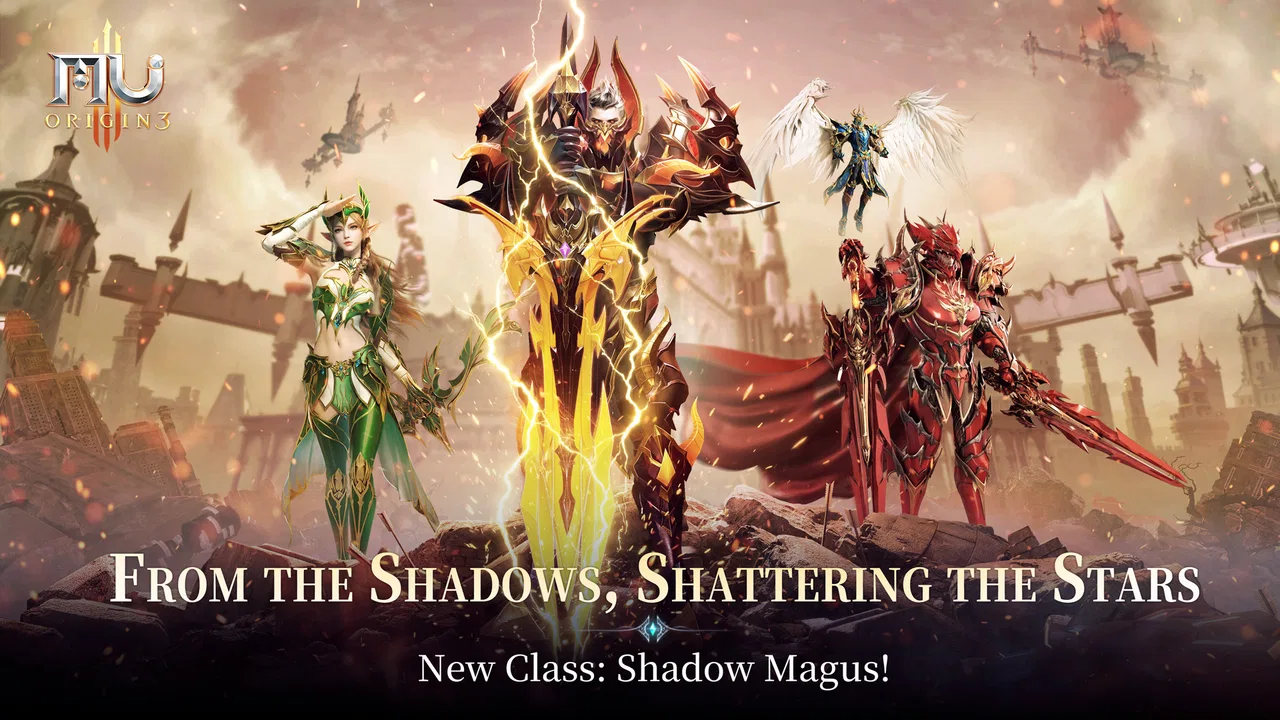
The world has the kind of dramatic fantasy tone that makes a short visit feel more substantial than a plain menu-based progression game. The store summary highlights Shadow Magus and Primordial Totem, and those names fit the game’s darker, high-powered atmosphere. I would not choose it for a quiet, minimalist role-playing experience. Its identity is built around spectacle, character growth, and the sense that the next enhancement is part of a larger journey.
That presentation works best when I let myself settle into the setting instead of rushing through every prompt. The game becomes more readable once I stop treating each screen as an interruption and start seeing the interface as a map of the character’s development. New players should resist the urge to open every option immediately. Learn the main route first, then return to the less obvious systems once the basic rhythm feels familiar.
A useful everyday scenario is a commute or lunch break where I have enough time for one focused objective but not enough time for a long console-style session. I can open the game, decide what I want to improve, complete a manageable activity, and stop without needing to invent a new plan. That works well for me when I maintain boundaries. Without them, a quick break can easily turn into repeated checking of rewards and upgrades.
Where it is less comfortable
The same breadth that gives the game longevity can make the opening feel crowded. Players who are new to large role-playing games may wonder which rewards matter, which improvements should come first, and whether they are missing something important. My advice is to accept a little confusion at the start. Trying to master every system immediately is less efficient than learning the core loop and returning to optional details later.
There is another kind of friction in the free-to-play structure. Because the game is free to install, it is easy to begin without much thought. The optional purchase range, however, stretches from very small items to much more substantial individual purchases. I would decide on a personal spending limit before buying anything, not after an attractive upgrade appears. The important trade-off is not whether spending is available; it is whether spending makes the game more enjoyable for you or simply makes waiting feel less comfortable.
I would also skip it if you dislike persistent progression. Some people want a role-playing game with a clear ending, a fixed cast, and a campaign that respects their time. MU ORIGIN 3 is better suited to someone who enjoys returning to the same character and gradually refining a build. If your ideal session is a self-contained story chapter followed by a definite conclusion, a premium single-player role-playing game may be a better fit.
How it compares with other choices
Compared with a compact action role-playing game, this title asks for more patience and more attention to long-term development. A smaller alternative may deliver faster satisfaction because it usually narrows the number of decisions on screen. Choose that route if you want direct combat and a clear path. Choose MU ORIGIN 3 if the planning around combat is part of the fun for you.
Compared with a turn-based role-playing game, the appeal here is less about carefully selecting one command at a time and more about maintaining momentum through a broader progression structure. Turn-based games are often better for players who want to study each encounter and control the pace precisely. I would choose this game instead when I want a more active fantasy routine and enjoy making improvements between battles.
Compared with a story-first role-playing game, the balance changes again. Narrative-focused alternatives usually give you a stronger sense of authored direction, while this game’s attraction is the character you continue shaping. If you care most about dialogue, a tightly written plot, and a planned ending, look elsewhere. If you get attached to a build and enjoy seeing it develop across repeated visits, this is the more natural choice.
It also differs from simple idle or automatic progression games. Those can be convenient when you want background advancement with very little involvement. MU ORIGIN 3 makes more sense when you want to make choices and pay attention, even if some parts of the routine are designed to reduce effort. The trade-off is straightforward: you gain a richer sense of participation, but you spend more time learning the game’s structure.
What switching to it really involves
The cost of switching is mostly measured in attention rather than the initial download price. If you already play another role-playing game, you will need time to learn a new vocabulary of rewards, menus, and priorities. I suggest not trying to recreate your old game’s routine immediately. Give this one a few sessions to show which activities matter, then decide whether its rhythm fits your schedule.
There is also a social and emotional cost to changing games. Progress in a long-term role-playing title can make you reluctant to leave, even when the routine no longer feels rewarding. I use a simple test: after a week, can I name a specific part of the game I look forward to, or am I opening it only because I feel I should? If the answer is the second, switching away is probably the healthier decision, regardless of how much progress has already been made.
For new players, the safest starting workflow is deliberately modest. Begin with the main progression path, save resources until you understand the upgrade choices, and avoid purchases during the learning period. Once you know what kind of character development you enjoy, you can decide whether optional spending adds value. This approach also makes the free experience easier to judge on its own terms.
Players wondering whether they can enjoy it without paying should think in terms of patience and priorities. The game is free, so you can evaluate its basic appeal without an upfront purchase. I would still avoid assuming that every desirable improvement should be obtained immediately. Focused progression and a willingness to let the game unfold naturally are more important than trying to match the fastest possible route.
Who should install it
I recommend MU ORIGIN 3 to Android players who want a substantial fantasy role-playing game, like returning to one character, and do not mind learning a layered progression system. It is especially suitable for someone who enjoys having a short-term objective inside a longer personal project. The large player response is reflected in its average rating of 4.1 from around 44 thousand ratings, while more than 5 million installs suggest that it has reached a broad audience.
Those figures do not replace personal taste, but they do make the game easier to approach as an established choice rather than an obscure experiment. I would still read the rating with the right expectations: a game can be popular and remain a poor match for someone who dislikes free-to-play pressure or ongoing character management.
The Teen rating is another practical consideration for families. I would not hand it to a younger child simply because the download is free. An adult should make the decision based on the child’s maturity and on whether optional purchases can be controlled on the device. For adult players, the rating is a reminder that this is not positioned as a children’s fantasy game.
My recommendation after weighing the trade-offs
My final recommendation is positive, but conditional. Install it if you want a long-running fantasy role-playing experience and are prepared to spend time learning its progression rather than expecting instant clarity. Start slowly, choose one development priority, and set a spending boundary before the game offers reasons to break it. Those three habits make the experience more manageable and help you decide based on enjoyment instead of momentum.
I would skip it in favor of a focused single-player role-playing game if you want a clean ending, minimal menus, or a purchase with no optional spending decisions. I would also choose a lighter alternative if your phone is older and you mainly want short, dependable sessions without worrying about performance. MU ORIGIN 3 earns its place when its ongoing world is the feature you want, not when it is merely the first free fantasy game you happen to see.
For me, the best description is a sizeable role-playing commitment that can fit into everyday breaks when approached with discipline. The Shadow Magus and Primordial Totem additions reinforce its dramatic identity, but the lasting appeal comes from deciding how to shape a character over time. If you enjoy progression as a hobby rather than just a route to an ending, this is worth trying; if you want simplicity, choose something narrower.
FAQs for MU ORIGIN 3
01What is MU ORIGIN 3, and what kind of gameplay does it offer?
MU ORIGIN 3 is a fantasy MMORPG for mobile devices that combines real-time combat, character progression, exploration, quests, dungeons, and competitive multiplayer activities. Players choose a class, improve equipment and skills, complete story content, and participate in events or battles against other players. It is designed for users who enjoy long-term progression and an always-online game world.
02Which classes can I choose in MU ORIGIN 3, and can I customize my character?
The game offers several character classes with different combat roles, such as close-range damage dealers, ranged attackers, and magic-focused characters. Class availability and specialization options may vary depending on the version or server. During the early stages, you can usually adjust your character’s appearance and develop abilities through equipment, skills, wings, mounts, and other progression systems.
03Does MU ORIGIN 3 require an internet connection to play?
Yes, MU ORIGIN 3 is primarily an online MMORPG and requires a stable internet connection for most of its features. Quests, server communication, multiplayer battles, events, rankings, guild activities, and account progression depend on online access. Before downloading, make sure your connection is reliable, because interruptions may affect combat, loading, or your ability to remain connected to the game server.
04Is MU ORIGIN 3 free to download, and does it include in-app purchases?
MU ORIGIN 3 is generally free to download, but it includes optional in-app purchases. These may provide premium currency, upgrade materials, cosmetic items, progression benefits, or limited-time offers. You can play without spending money, although some systems may progress faster for paying users. Parents should also review device purchase settings if children will be using the account.
05Can I play MU ORIGIN 3 with other players, and is there PvP content?
Yes, multiplayer interaction is a major part of MU ORIGIN 3. Depending on the server and current events, players can join guilds, team up for dungeons, complete cooperative activities, and compete in player-versus-player modes. The social and competitive features can make progression more engaging, but they may also require regular play, stronger equipment, and communication with other players.
Pros
- Large 3D world with detailed environments to explore
- Multiple classes offer varied combat styles and team roles
- Frequent events provide additional activities beyond the main story
- Guild features make it easier to find groups and social activities
- Character customization allows for distinctive looks and builds
Cons
- Requires substantial storage space and may need extra download files
- Battery drain can be noticeable during extended 3D gameplay sessions
- Progression may feel slow without regular daily play
- Crowded menus can make some systems difficult for new players
- Competitive features may favor players who spend money

MU ORIGIN 3
Gallery